
It's here, it's massive, and it's awesome read more
Programming
J-War's Episode VI: Return of the RNFF
The running continues... read more
Nora
Words tumble down in a Tetris-like fashion. read more
Barcelona MSX users meeting #66
A good moment to catch up with the scene. read more
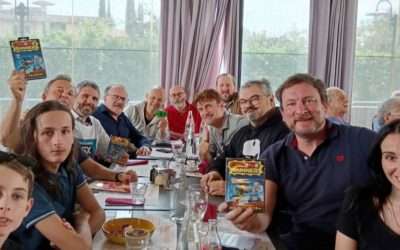
Social Lunch in Florence, April 20, 2026 – Chrono Runner Cartridge
Social lunch in Florence to celebrate the conclusion of the Chrono Runner project. La Casamatta, Via Aretina, 360, 50136 Florence, Italy. MSX Italia Social Lunch – Chrono Runner Party! Sunday, April 19, 2026, at 12:30 PM, in Florence for a special event:...
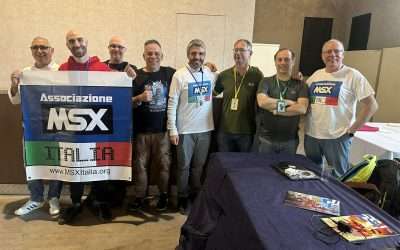
MSX Italia at RetroFutura Vigevano with a conference on Chrono Runner hosted by Lorenzo Mancini
There's something special about retrocomputing events: they're not just trade shows, but true meeting points for stories, people, and passions that endure. The MSX Italia Association's participation in Retro Futura, held in the charming Cavallerizza del...
MSX Legends OST
All the OPL4 music of this remarkable game in one video read more
Snake Escape
snake it like it's hot read more
MSXdev25 yield
wait, how many? read more
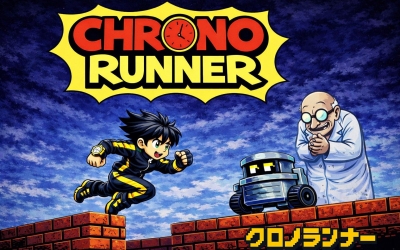
Chrono Runner MSXDev2025 game by MSX Italia Association
An MSX platformer where time is your only weapon 📖 THE PROJECT STORY Chrono Runner was born in the most authentic way possible: during the MSX Italia Association social dinner on September 27, 2025. Over a beer and a sandwich, Leonardo Vettori proposes...
MSXdev25 #48 Space Bash: Contact !!
Go kick some alien butts read more
MSXdev25 #47 Soul Trapped – the House
wake up in a house that feels both familiar and strange at once read more
MSXdev25 #49 ASTEROIDS
When the Kuiper Belt broke apart read more
MSXdev25 #50 Isa Brave: Underworld keys
be brave, little girl read more
MSXdev25 #45 Asteroid Rescue
asteroids, scientists, robots, fuel and starships read more
MSXdev25 #46 Drone Breaker
a dream within a dream read more
Dariayu – playable demo published
Fire up your Turbo-R for some side-scrolling action read more
MSXdev25 #42 Calebe Adventure
a strange Baron with an even stranger name took your stuff read more
MSXdev25 #43 Jumpin Joselin
a lovely day at the beach.. right? read more
MSXdev25 #44 Tiny Tetris VS
Tap, and you're out read more